
February 2026 Blog Post: Helping Preschoolers
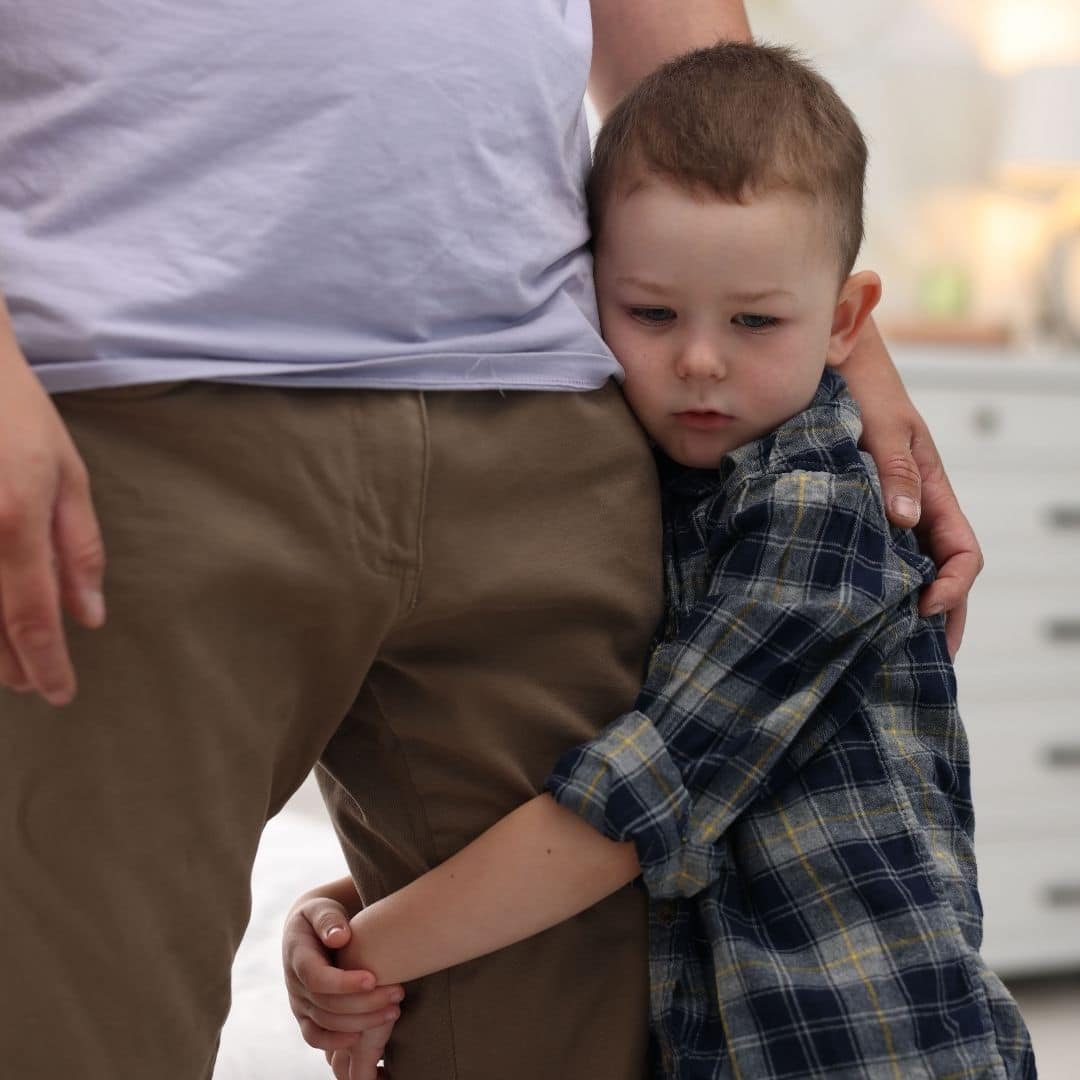
Overcome Separation Anxiety
As winter winds down and families settle into the new year, many parents face a common challenge: helping their preschoolers feel comfortable being apart. Whether it’s dropping them off at daycare, leaving them with a babysitter, or even just stepping into
another room, separation anxiety can be tough for both children and parents.
This month, we’re sharing practical strategies to ease transitions and build your child’s confidence when you’re apart.
Why Separation Anxiety Happens
It’s completely normal for preschoolers to struggle with goodbyes. At this age, children are:
● Developing independence but still rely heavily on parents for security.
● Learning about time and may worry you won’t return.
● Sensitive to changes like starting preschool or a new caregiver.
Separation anxiety often peaks between ages 1–3 but can linger into the preschool years. The good news? With patience and consistency, most children outgrow it.
How to Make Goodbyes Easier
1. Prepare in Advance
● Visit new places together (daycare, a friend’s house) before the first drop-off.
● Read books about separation (The Kissing Hand or Llama Llama Misses Mama).
● Practice short separations: Leave your child with a trusted adult for 15–30 minutes while you run an errand.
2. Create a Consistent Goodbye Routine
● Keep it brief and positive: A hug, a special phrase (“I’ll be back after snack time!”), and a quick exit.
● Avoid sneaking away: This can increase anxiety. Always say goodbye.
● Offer a comfort item: A favorite stuffed animal or family photo can provide reassurance.
3. Stay Calm and Confident
Children pick up on your emotions. If you’re anxious, they’ll sense it. Instead:
● Smile and reassure: “You’re going to have so much fun with Miss Sarah! I’ll see you after nap time.”
● Trust the caregiver: If they say your child calmed down quickly after you left, believe them.
4. Praise Brave Behavior
● Celebrate small wins: “You waved goodbye today—that was so grown-up!”
● Review the day: At pickup, ask about their favorite activity to reinforce positive memories.
5. Avoid These Common Pitfalls
● Prolonging goodbyes: Dragging it out makes it harder.
● Giving in to tears: If you return after they cry, they’ll learn crying keeps you there.
● Comparing to others: Every child adjusts at their own pace.
When to Seek Help
Most separation anxiety improves with time, but consult a professional if your child:
● Can’t be comforted after you’ve left.
● Refuses to eat or sleep when apart from you.
● Has physical symptoms (stomachaches, vomiting) due to stress.
Expert Tip: Build Long-Term Confidence
For more tools to support your child’s emotional growth, sign up for Triple P Online at Parentingnow.org. Our evidence-based programs offer step-by-step guidance for common parenting challenges, including separation anxiety.
Need support? Check out Teen Triple P at Parentingnow.org, or ask your pediatrician for local resources.